


Children's Supplements UK: The Parent's Guide to Choosing Quality Vitamins

Did you know that only 9% of children aged 11 to 18 in the UK currently meet the "5 A Day" recommendation for fruit and vegetable consumption? It is a startling statistic from the National Diet and Nutrition Survey that highlights a significant nutritional gap during the most critical years of growth. As a parent, you likely feel the weight of this challenge every time you stand before a pharmacy shelf. You want to provide the best possible start for your little ones, yet you are often met with a confusing mix of conflicting advice and gummy vitamins that look more like sweets than health supplements. It is natural to worry about hidden artificial colours or whether those unpalatable tablets will simply be refused at the breakfast table.
You deserve clarity and confidence when selecting children's supplements UK brands offer. This guide will help you identify pure, bioavailable, and effective options that move beyond basic government minimums to provide genuine nutritional support. We will explore how to choose formulations that prioritise integrity and scientific excellence, ensuring your child receives the specific vitamins needed for robust immune health and cognitive development throughout the winter months and beyond.
Key Takeaways
- Understand why modern dietary habits often leave children with specific nutrient gaps that require careful supplementation.
- Learn the importance of bioavailability and why choosing the right form of a vitamin ensures it's effectively absorbed.
- Identify "clean label" criteria to avoid artificial colours and unnecessary sugars when selecting children's supplements UK families can trust.
- Evaluate different formats from liquids to chewables to find the most effective delivery method for your child's life stage.
- Discover how specialised solutions like Junior Multi™ and ParaGuard support long-term cognitive development and digestive vitality.
Navigating Children's Supplements in the UK: Why Diet Isn't Always Enough
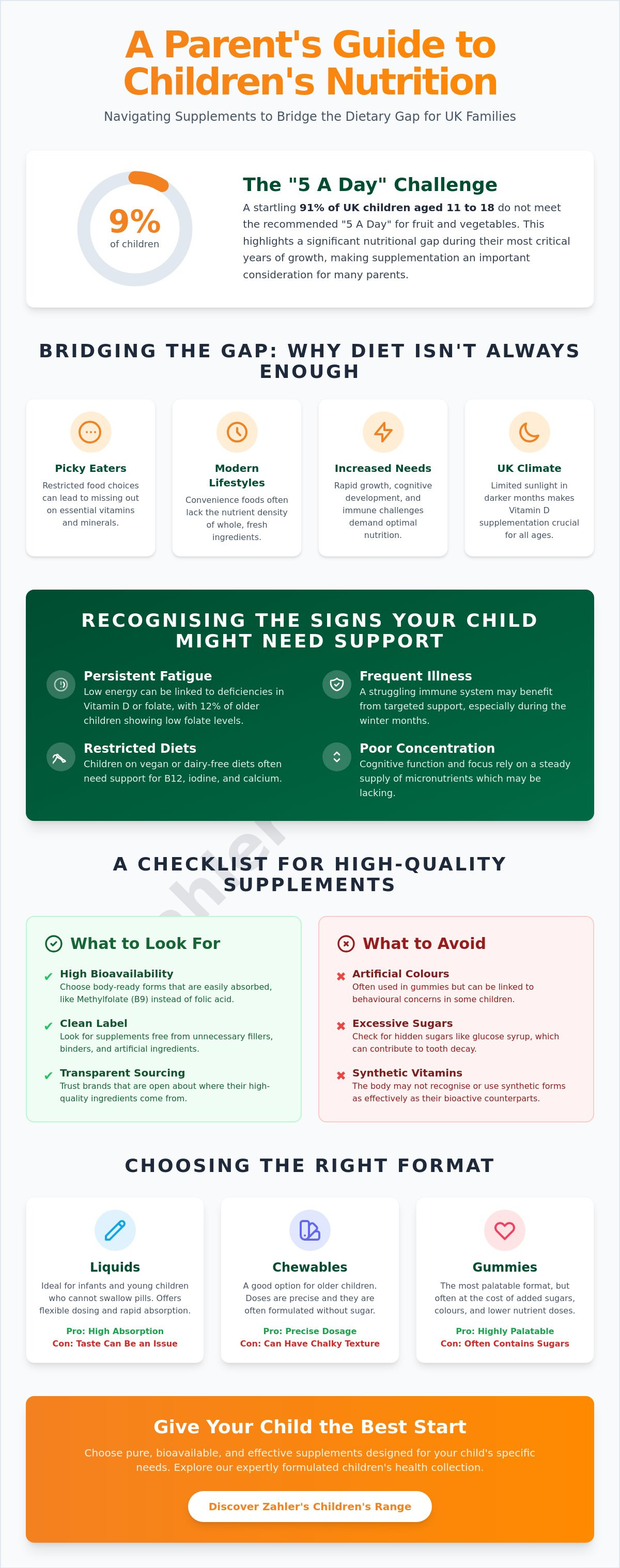
Achieving a balanced diet for a growing child is often more difficult than it appears on paper. Whilst we strive for variety, the National Diet and Nutrition Survey reveals that only 9% of children aged 11 to 18 meet the "5 A Day" recommendation for fruit and vegetable consumption. This gap isn't just about greens; approximately 85% of children exceed the recommended threshold for saturated fat. These statistics paint a picture of a modern food environment where nutrient density is frequently sacrificed for convenience. When meals fall short, the children's supplements UK parents choose become an essential bridge to ensure developmental milestones aren't missed.
At their core, these products are concentrated sources of vitamins and minerals designed to complement, not replace, a varied diet. Many parents find clarity by researching multivitamin supplements to understand how different formulations address specific physiological needs. For a child, these needs are intense. Their bodies are building bone density, neural pathways, and immune memory all at once. A supplement provides a reliable, measured dose of the raw materials required for these complex biological processes, especially when a "picky eater" phase makes mealtime a battleground.
The NHS Guidelines vs. Optimal Nutritional Support
The UK government currently recommends daily Vitamin A, C, and D supplements for children aged 6 months to 5 years. For instance, children aged 1 to 4 should receive a daily supplement of 10 micrograms of Vitamin D. However, these guidelines are primarily designed to prevent severe deficiencies, such as rickets, rather than to optimise long-term vitality. In the British climate, where sunlight is scarce for half the year, relying on the bare minimum might not be enough for a school-aged child facing the rigours of the classroom. Moving from "preventing deficiency" to "optimising health" involves looking at a broader spectrum of nutrients that support cognitive function and energy levels well beyond the age of five.
Recognising the Signs Your Child Might Need Support
Physical and behavioural indicators often signal when a child's internal stores are running low. Finding the right children's supplements UK families can rely on becomes particularly important if you notice the following:
- Persistent fatigue: Low energy or mood can sometimes be linked to low Vitamin D or folate levels, with 12% of older children showing folate deficiencies.
- Frequent illness: A struggling immune system may benefit from targeted support during the winter months.
- Restricted diets: Children on vegan or dairy-free diets often require careful monitoring of B12, iodine, and calcium.
- Poor concentration: Cognitive development relies heavily on a steady supply of micronutrients that a restricted diet might lack.
Seasonal changes also play a significant role. During the darker months, the demand on a child's immune system spikes just as their natural Vitamin D production drops. Recognising these environmental cues allows you to adjust their nutritional support proactively, ensuring they have the resilience needed for daily life.
What to Look for in a High-Quality Children's Supplement
Selecting high-quality children's supplements UK parents can trust involves looking deeper than the bright packaging. It's about the biological synergy between the ingredient and the body. Bioavailability is the foundation of effective supplementation. For instance, many standard multivitamins use folic acid, but a superior choice is methylfolate. This is the bioactive form of Vitamin B9 that the body can use immediately without complex conversion. When you choose ingredients that the body recognises and absorbs easily, you ensure your child gets the full benefit of every dose.
The Importance of Ingredient Purity and Sourcing
The "Clean Label" movement has gained momentum amongst families who want to avoid unnecessary chemicals. Many mass-market vitamins are essentially glorified sweets packed with glucose syrup and synthetic dyes. You should watch out for these common "nasties" often hidden in the fine print:
- Artificial colours: Often used to make gummies look appealing but linked to behavioural concerns in some children.
- Excessive sugars: These contribute to tooth decay and unwanted energy spikes.
- Synthetic fillers: Ingredients like magnesium stearate or talc are often used to speed up manufacturing rather than benefit the user.
A powerful way to verify purity is through Kosher certification. When evaluating the children's supplements UK retailers stock, Kosher certification indicates a level of quality control that goes far beyond basic legal requirements. It guarantees that every raw material has been vetted for integrity and that the manufacturing lines are cleaned with pharmaceutical-level precision. Opting for clean, filler-free formulations provides peace of mind that you aren't introducing unwanted toxins into your child's routine.
Decoding the Label: Understanding UK RDA and NRV
Understanding how supplements are regulated in the UK is the first step to becoming a savvy shopper. Labels can be confusing, often listing percentages that don't seem to match your child's age group. Nutrient Reference Value (NRV) is the European standard for daily intake levels. Whilst NRV serves as a baseline to prevent deficiency, some children may require higher levels during growth spurts or periods of intense physical activity. Always ensure the dosage is appropriate for your child's specific life stage; a toddler has vastly different needs than a teenager. By prioritising transparency and high-grade sourcing, you can feel confident that your child's health is in safe hands.
Comparing Formats: Liquid, Chewable, and Gummy Supplements
The delivery method you choose is just as critical as the nutrients inside. When browsing children's supplements UK families often prioritise taste, but the format significantly impacts how well those vitamins are absorbed. Liquids, chewables, and gummies each offer distinct advantages; yet they also present unique challenges for a child's developing digestive system. Finding a balance between clinical efficacy and daily compliance is the key to a successful health routine.
Liquids and drops are widely considered the gold standard for infants and young toddlers. Because the nutrients are already dissolved, they bypass the initial breakdown phase required for solid tablets, allowing for rapid absorption. This format is particularly useful for meeting the NHS vitamin recommendations for children, which advise daily Vitamin D drops for breastfed babies from birth. Drops offer unparalleled precision, making it easy to stir a dose into a morning yoghurt or a drink without a struggle.
Chewable tablets represent a practical middle ground, balancing palatability with a high concentration of active ingredients. Unlike gummies, chewables can often house a more complex profile of minerals and vitamins without the need for excessive binders. However, the "gummy dilemma" remains a concern for many health professionals. Whilst they are undeniably popular, many gummy vitamins contain high levels of glucose syrup or gelatine, which can stick to teeth and contribute to decay. There is also the issue of stability; certain vitamins degrade faster in gummy form, meaning the potency might not match what is stated on the label by the time the bottle is finished.
Bioavailability and Absorption Rates by Format
Liquids often bypass the digestive hurdles that tablets face, making them ideal for children with sensitive stomachs. A liquid supplement doesn't require the stomach to work as hard to release the active compounds into the bloodstream. Stability also varies amongst formats. Whilst some vitamins are more stable in dry tablet form, others, like certain oils or fats, are best preserved in liquid or encapsulated formats. Understanding these nuances helps you choose a product that actually delivers on its promises.
Practical Compliance: Making Vitamin Time Stress-Free
Consistency is the key to long-term health, but it shouldn't feel like a battle. For picky eaters, introducing new textures gradually is essential. Try to organise a daily routine where vitamins are taken at the same time, perhaps alongside a favourite snack, to build a positive association. Above all, safety is paramount. Because many modern supplements are designed to taste like fruit, children may mistake them for sweets. Always store your vitamins in a locked cupboard or on a high shelf, well out of reach of curious hands.
Zahler’s Children's Health Collection: Standout Solutions for British Families
Finding a brand that aligns with your family's values whilst meeting rigorous clinical standards shouldn't be a compromise. Zahler bridges this gap by combining advanced nutritional science with a deep commitment to ingredient purity. When evaluating the children's supplements UK market, many parents discover that generic formulations often overlook the vital synergy between nutrients. For example, whilst many brands provide Vitamin D3, they frequently omit Vitamin K2, which is essential for ensuring calcium is properly directed to the bones. Zahler’s formulations are meticulously crafted to respect these biological relationships, providing a level of care that feels like a personal recommendation from a trusted advisor. This "Zahler Difference" is rooted in advanced innovation that respects traditional purity standards, ensuring every bottle meets the highest ethical benchmarks.
Junior Multi™: Beyond the Basic Multivitamin
Most standard multivitamins provide a handful of nutrients at baseline levels. Junior Multi™ goes much further, offering a comprehensive "A-Z" formula that includes over 20 essential nutrients in a child-friendly chewable. It isn't just about the quantity of ingredients; it's about their quality. We prioritise bioavailable forms, such as methylated B-vitamins, to ensure that even children with specific metabolic variations can absorb and utilise them effectively. This approach supports cognitive clarity and physical growth without the use of artificial fillers or hidden nasties. You can explore the full range of benefits in our Children's Health Collection to find the perfect fit for your child's developmental stage.
Supporting Digestive and Immune Resilience
A child's health is often mirrored in their gut. ParaGuard provides a gentle yet effective approach to supporting intestinal balance and digestive vitality. It's designed for parents who want to maintain their child's internal harmony using traditional botanical extracts refined by modern manufacturing. For those seeking a deeper dive into how this supports overall well-being, our ParaGuard Supplement UK Guide offers comprehensive insights into intestinal health and balance. Beyond digestion, our immune-focused offerings utilise the proven synergy of Vitamin C and Zinc, providing targeted support during the damp British winters. Whether you are looking for daily maintenance or a seasonal boost, you can view our complete range of children's supplements to secure your family's nutritional foundation.
How to Choose the Right Supplement for Your Child's Life Stage
Selecting the ideal nutritional support is a journey that evolves alongside your child's physical and cognitive milestones. It's a process that requires a methodical, thoughtful approach to ensure you are meeting their specific physiological needs without overwhelming their system. To find the most effective children's supplements UK parents should follow a structured routine that prioritises safety and scientific integrity above simple marketing claims. Taking the time to understand these steps ensures your child's health is managed with the calm assurance of a trusted family advisor.
- Step 1: Consult with a GP or paediatrician. Professional advice is the most reliable way to identify specific deficiencies through clinical observation or testing, preventing unnecessary guesswork.
- Step 2: Evaluate your child’s daily diet. Compare their typical intake against UK nutritional guidelines to pinpoint which vitamins are consistently missing from their favourite meals.
- Step 3: Select an appropriate format. Match the delivery method, whether liquid drops for infants or chewable tablets for older children, to your child's developmental stage and sensory comfort.
- Step 4: Prioritise purity benchmarks. Look for "clean label" products that carry Kosher or similar certifications to guarantee the highest manufacturing standards and ingredient vetting.
- Step 5: Monitor and adjust. Nutritional needs aren't static. Review your child's supplement routine every six to twelve months as they grow and their activity levels change.
From Toddlers to Teens: Changing Nutritional Demands
As children move through different life stages, their biological requirements shift significantly. During the early years, the focus remains on foundational growth and building a resilient immune system. However, as they approach puberty, the demand for iron and calcium increases to support rapid bone lengthening and hormonal transitions. This is especially true for teenage girls, who often require additional iron support. The academic pressures of the school years also necessitate a focus on Omega-3 fatty acids, which play a documented role in supporting focus and cognitive performance during exams. Managing the transition from infant-grade liquid drops to more concentrated chewable tablets ensures that the dosage remains effective for their increasing body mass whilst remaining easy to take.
Integrating Supplements into a Healthy Lifestyle
A high-quality supplement is a powerful tool, but it shouldn't ever be viewed as a replacement for a varied diet rich in whole foods. True vitality comes from the synergy of nutrient-dense meals, restorative sleep, and physical activity. In the British climate, environmental factors are particularly influential. Whilst the children's supplements UK families choose provide a consistent source of Vitamin D, these should be paired with regular outdoor play. Even on overcast days, time spent outside supports natural synthesis and overall well-being. By combining premium supplementation with these healthy habits, you create a robust foundation for your child's future.
Ready to secure your child's nutritional foundation with pharmaceutical-grade purity? Explore the full Zahler Children's Health collection to find your child's perfect match and ensure they have the support they need to thrive at every age.
Securing Your Child's Nutritional Future
Providing your child with the right foundation for growth doesn't have to be a source of confusion. By prioritising advanced bioavailable formulations and favouring "clean label" ingredients, you ensure that every dose translates into genuine physical and cognitive support. We've seen that the best children's supplements UK brands offer are those that respect the body's natural processes whilst avoiding the artificial colours and sugars found in many mass-market options.
Zahler remains dedicated to this path of purity and scientific integrity. Our range is Kosher Certified for Purity and features the sophisticated nutrient profiles your child needs to thrive at every life stage. From the comprehensive support of Junior Multi™ to targeted digestive care, we provide the clinical reliability you deserve. Shop Zahler's Premium Children's Health Collection today and take advantage of free UK delivery on qualifying orders. It's a simple, effective step toward a lifetime of vitality and well-being for your little ones.
Frequently Asked Questions
Can my child take more than one supplement at a time?
Yes, children can take multiple supplements, but you must ensure they don't ingest excessive amounts of the same nutrient. Stacking a multivitamin with a targeted immune support product can lead to an intake that exceeds safe daily limits, particularly for fat-soluble vitamins. It's often safer to use a comprehensive "all-in-one" formula to maintain a balanced profile without the risk of over-supplementation.
Are gummy vitamins as effective as chewable tablets or liquids?
Gummy vitamins are typically less effective than liquids or chewable tablets due to lower nutrient stability and the inclusion of fillers. The manufacturing process for gummies often requires high heat, which can degrade sensitive vitamins. Additionally, the high sugar content can be detrimental to dental health. For superior absorption and purity, liquids and chewables remain the professional recommendation for growing bodies.
What is the best time of day for children to take their vitamins?
The best time for a child to take vitamins is usually with a meal, preferably breakfast or dinner. Fat-soluble vitamins require some dietary fat to be properly absorbed by the body. Establishing a morning routine helps ensure consistency, making it less likely that a dose is forgotten during the busy school week. This habit also helps prepare their system for the day ahead.
Do children's supplements expire, and how should they be stored?
Supplements do expire and will gradually lose their potency after the "best before" date printed on the bottle. To preserve the advanced formulation, store them in a cool, dark place away from kitchen steam or bathroom humidity. Safety is paramount; always keep these products in a locked cupboard to prevent children from accessing them unsupervised, as many look and taste like sweets.
Is it possible for a child to have too much Vitamin D?
It is possible to have too much Vitamin D, as it is a fat-soluble vitamin that the body stores in fatty tissue. Whilst many children in Britain are deficient, excessive intake can lead to a buildup of calcium, which may damage the kidneys. Always adhere to the recommended dosage for children's supplements UK regulations suggest to ensure your child stays within safe, effective limits.
How can I tell if a supplement is truly Kosher certified?
True Kosher certification is indicated by a specific symbol on the label, such as the OU, Star-K, or a recognised Beth Din mark. This logo confirms that the children's supplements UK families choose have been audited for ingredient integrity and manufacturing cleanliness. It serves as a reliable benchmark for parents seeking the highest level of purity and ethical sourcing in their vitamins.
Should I give my child vitamins even during the summer months in the UK?
Maintaining a supplement routine through the summer is often wise, even with more sunshine available. Many factors, including cloud cover and the necessary use of sun cream, can interfere with natural Vitamin D production. A daily supplement provides a reliable nutritional "safety net" that accounts for the variability of the British summer and ensures there are no gaps in your child's development.
Are there any side effects to starting a new multivitamin?
Most children adjust to a new multivitamin without any issues, though some may experience minor digestive changes initially. These are typically mild and resolve quickly as the body adapts to the new nutrient profile. If you notice any persistent changes in behaviour or physical symptoms, we recommend speaking with your GP to ensure the specific formulation and dosage are right for your child's needs.