


The Essential Benefits of Children's Multivitamins in the UK: A 2026 Parent's Guide

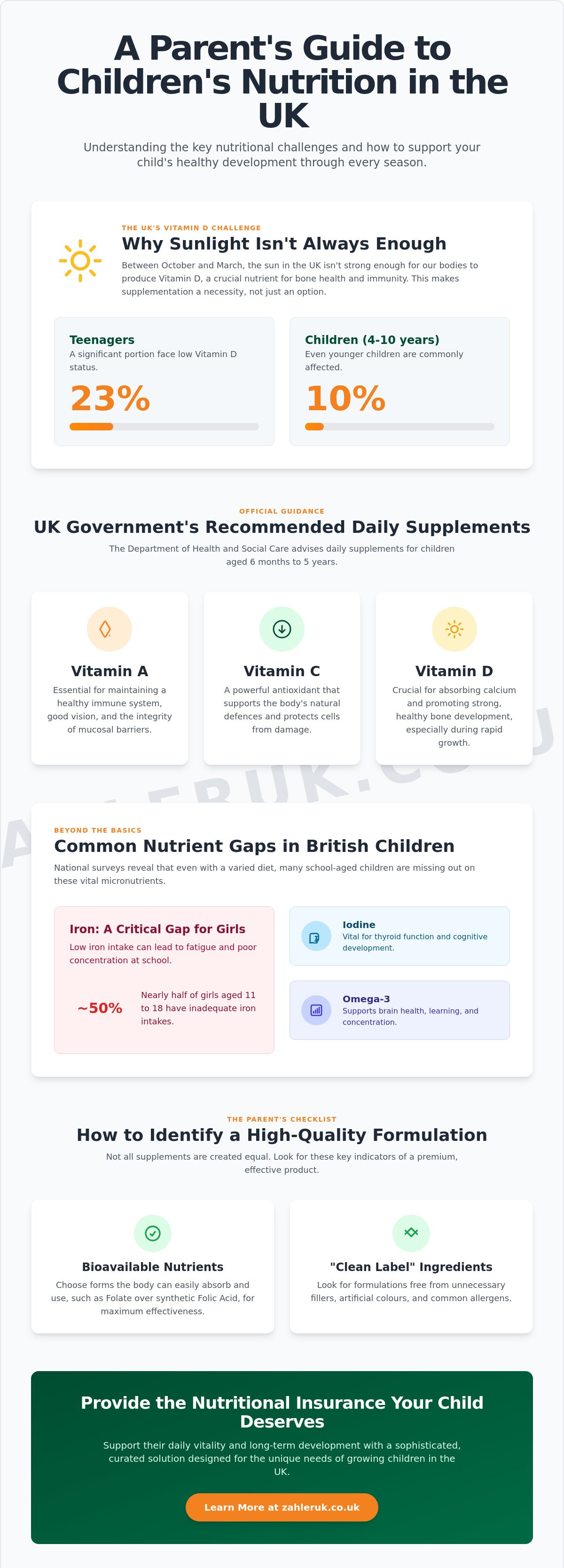
In a country where grey skies often outweigh the sunshine, relying solely on the "perfect diet" for your child's health isn't just difficult; it's often statistically unlikely. With recent data showing that 23% of teenagers and 10% of children aged four to ten have low vitamin D status, the need for a targeted approach has never been clearer. It's completely natural to worry about picky eating habits or the constant cycle of seasonal sniffles that seem to follow every school term. You want to feel confident that your little ones are protected, yet the sea of conflicting health advice can feel overwhelming.
Understanding the specific benefits of children's multivitamins UK families need is about more than just a quick fix; it's about building long-term resilience. This 2026 guide will show you how high-quality vitamins support vital growth, immunity, and cognitive development whilst bridging the nutritional gaps inherent in the British diet. We'll look at the latest government recommendations for vitamins A, C, and D, and explain how a simple, reliable routine can provide the nutritional insurance your child deserves for a healthier school year.
Key Takeaways
- Understand why the unique British climate makes specific supplementation, especially Vitamin D, a clinical necessity rather than an optional extra for growing children.
- Explore the core benefits of children's multivitamins UK families rely on for maintaining resilient immune systems and supporting healthy bone density.
- Gain peace of mind by using specialised formulations to bridge nutritional gaps whilst you work on expanding your child's palate and food exposure.
- Learn to identify premium "Clean Label" ingredients and why the bioavailable form of a nutrient, such as Folate, determines its actual effectiveness.
- Discover how Junior Multi™ offers a curated, sophisticated solution designed to support your child's daily vitality and long-term development.
Understanding the Nutritional Landscape for Children in the UK
A child's body undergoes extraordinary changes in a remarkably short span of time. To truly understand what are multivitamins, we must view them as specialised formulations meticulously crafted to support this rapid physiological growth. They aren't merely smaller versions of adult tablets; they're precise blends of micronutrients designed to meet the unique metabolic demands of a developing child. From the strengthening of skeletal structures to the complex wiring of the cognitive system, these nutrients provide the raw materials for every developmental milestone.
Living in the UK presents a specific environmental hurdle that many parents don't realise until they look at the data. Between October and March, the British sun isn't strong enough to trigger Vitamin D synthesis in the skin. This "Vitamin D challenge" is a primary reason why many families explore the benefits of children's multivitamins UK wide. When you combine this lack of sunlight with modern agricultural practices that often lead to soil depletion, even a balanced home-cooked meal may lack the nutrient density found in previous generations. Processed snacks and busy school schedules only add to the complexity, making it harder to rely on diet alone.
For active, school-aged children, these supplements act as "nutritional insurance." It's a way to ensure that even on days when they're too tired to finish their greens or too busy at football practice to eat a varied lunch, their foundational needs are met. This support is vital for children pursuing active hobbies; just as they might use high-quality gear from Fairtex for their sports training, they need the right internal fuel to keep going. By understanding these environmental factors, parents can better appreciate the benefits of children's multivitamins UK experts often highlight for supporting a child's natural resilience and vitality.
Why the UK Government Recommends Specific Supplements
The Department of Health and Social Care is clear: children from six months to five years should receive daily supplements of Vitamins A, C, and D. For breastfed infants, the NHS advises a daily Vitamin D supplement from birth, as breast milk levels depend on the mother's own status. Formula-fed babies usually don't need this until they're having less than 500ml of formula daily, because formula is already fortified. Beyond these basics, maintaining a balanced internal environment is crucial for absorption. Supporting intestinal health with options like the ParaGuard supplement UK parents often choose can ensure the digestive system is ready to process these essential nutrients effectively.
Common Nutrient Gaps in British School-Aged Children
National surveys consistently highlight significant gaps in Iron, Iodine, and Omega-3 intake amongst British youth. Nearly 50% of girls aged 11 to 18 have low iron intakes, which can lead to persistent fatigue and poor concentration in the classroom. Iodine is equally vital for cognitive function, yet many children fall short of the recommended levels. When selecting a supplement, parents should consider bioavailability. Bioavailability is the ease and speed with which a child’s body absorbs and utilises a specific nutrient for physiological function.
The Core Benefits: How Multivitamins Support Daily Development
The primary benefits of children's multivitamins UK parents often observe relate to the steady, daily support of a child's natural systems. While we've discussed the environmental necessity of supplementation, the clinical reality is that these nutrients serve as catalysts for thousands of biochemical reactions every hour. From the moment your child wakes up to the time they drift off, their body is constantly repairing tissue, building bone, and processing information. These processes require a consistent supply of micronutrients that are sometimes missing from the daily plate.
Building a Resilient Immune System
Every parent knows the familiar "seasonal surge" of sniffles that accompanies the start of a new school term. When children are in close proximity in the classroom, their immune systems are under constant pressure. Nutrition serves as the first line of defence. Vitamin C and Zinc are perhaps the most well-known for their roles in maintaining the body's natural defences, but Vitamin A is equally vital. It helps maintain the integrity of mucosal barriers in the nose and throat, which act as physical shields against environmental pathogens. It's helpful to remember that while vitamins don't "cure" common colds, they provide the cellular tools required to manage them more effectively. Following the UK government vitamin recommendations ensures that these foundational levels are met throughout the year, even when the weather turns.
Supporting Physical Growth and Vision
Growth spurts require a significant investment of minerals. Vitamin D is the essential key that unlocks Calcium absorption; without it, the body cannot effectively build skeletal integrity or maintain strong teeth. In the UK, maintaining these levels is critical for preventing conditions like rickets, which have seen a worrying resurgence in recent years. Beyond bone health, magnesium plays a quiet but crucial role in muscle function and relaxation, helping growing bodies recover after a day of sport. Vision also requires specific support. Vitamin A is indispensable for maintaining healthy eyesight, particularly for helping eyes adapt to low-light conditions during those long British winter evenings.
For parents looking to provide this level of comprehensive care, exploring a high-quality Immune System Support supplement can be a proactive step in a child's wellness journey. Ensuring that these nutrients are readily available helps the body focus on growth rather than just recovery.
Energy and mental focus are the final pieces of the puzzle. B-vitamins are the engines of energy metabolism, helping children convert their meals into the fuel they need for play. They also support cognitive development, ensuring that mental focus remains sharp during lessons. These combined benefits of children's multivitamins UK families prioritise help create a balanced foundation for every stage of a child's development.
Bridging the Gap: Multivitamins for Picky Eaters and Restricted Diets
Feeding a child who refuses anything green or textured is a significant source of psychological stress for many British parents. You want to provide a varied, nutrient-dense diet, yet the daily reality often involves a battle of wills at the dinner table. In these moments, understanding the benefits of children's multivitamins UK families can access becomes about more than just science; it's about reclaiming peace of mind. While you continue the patient work of food exposure and sensory exploration, a high-quality supplement ensures that your child's physiological development isn't stalled by a temporary phase of selective eating.
The Reality of Picky Eating Behaviours
Picky eating is a normal developmental stage, often peaking between the ages of two and six. It's a survival instinct from our evolutionary past, not a reflection of your parenting skills. However, the resulting "beige diets"-heavy on plain pasta, white bread, and potatoes-are notoriously low in essential micronutrients like zinc, iron, and vitamin A. These gaps can quietly impact energy levels and immune resilience over time. Using a multivitamin provides a reliable safety net. It allows you to focus on making mealtimes positive and social, rather than a high-stakes negotiation over a single floret of broccoli. This "nutritional insurance" supports their baseline health whilst their food preferences naturally evolve.
Nutritional Support for Special Dietary Requirements
The modern British dietary landscape is increasingly diverse, with more families opting for plant-based lifestyles or managing complex food allergies. For children on vegan or vegetarian diets, Vitamin B12 and Iron are critical points of focus. Since B12 is primarily found in animal products, supplementation is often a clinical necessity to support nervous system health and red blood cell production. Similarly, children with coeliac disease or dairy intolerances may miss out on the synthetic fortification often added to mass-market cereals and milks. These unintended nutritional voids can be difficult to fill through whole foods alone, especially for younger children with smaller appetites.
The official UK government vitamin recommendations highlight that even with a balanced diet, certain groups remain at risk of specific deficiencies. If your child has restricted their intake due to medical necessity or ethical choice, the benefits of children's multivitamins UK specialists suggest are even more pronounced. It's essential to look for "Clean Label" formulations that carry allergen-free certifications. This ensures that whilst you're filling nutritional voids, you aren't inadvertently introducing gluten, soy, or dairy into a sensitive system. By choosing a sophisticated, curated supplement, you can support your child's vitality without compromising their dietary restrictions.
Identifying High-Quality Formulations: What British Parents Should Look For
Selecting a supplement for your child requires a discerning eye and a commitment to purity. The market is currently saturated with options, yet the clinical quality varies significantly between brands. To truly secure the benefits of children's multivitamins UK families deserve, you must look beyond the bright packaging and scrutinise the ingredient list for the "Clean Label" standard. This means ensuring the formulation is free from artificial colours, flavours, and unnecessary preservatives. These additives offer no nutritional value and can sometimes trigger sensitivities in developing systems. A sophisticated supplement should lead with integrity, focusing on what the body needs rather than what makes the product look like a sweet.
Bioavailability is perhaps the most critical technical factor to consider. This term refers to the specific chemical form of a nutrient and how easily it can be utilised by the body. For example, many high-street brands use synthetic Folic Acid, whereas premium formulations opt for Folate. The "active" form of a vitamin requires less work from the child's liver to process. By choosing bioavailable ingredients, you ensure that the nutrients are actually reaching the cells where they are needed most, rather than simply passing through the system unabsorbed.
Parents should also be wary of the "gummy trap." While they are undoubtedly easy to administer, many gummy vitamins are essentially sweets with minerals. They often contain high levels of glucose or sucrose, which can be detrimental to dental health and may cause energy spikes. Independent third-party testing is the gold standard for verifying that a product is both safe and effective. This independent oversight confirms the potency of the ingredients and ensures the product is free from heavy metals or contaminants, providing the reassurance that every parent seeks.
Beyond the Gummy: Choosing the Right Format
The format you choose can impact both compliance and absorption. While chewable tablets are popular for older children, liquid vitamins can be superior for younger children or those with sensory issues. Liquids often provide a higher concentration of nutrients and are absorbed more rapidly than dense, pressed tablets. Sprays are another innovative option, offering a convenient way to deliver vitamins directly to the mucosal membranes for fast uptake during a busy school morning.
The Significance of Kosher and Ethical Certifications
Seeking out Kosher certification is a wise move even for families who don't follow specific dietary laws. This certification requires rigorous, ongoing oversight of the entire manufacturing facility, not just the final product. These standards provide an extra layer of reassurance regarding ingredient purity and guarantee that there is no cross-contamination during production. Ethical certifications further indicate a brand's commitment to safety and manufacturing excellence that exceeds the basic legal requirements in the UK.
If you are looking for a supplement that meets these exacting standards for purity and clinical reliability, we invite you to explore our Junior Multi™. It is designed to provide comprehensive support without the compromise of artificial fillers or high sugar content.
Supporting Your Child’s Vitality with Junior Multi™
Junior Multi™ represents the culmination of a commitment to clinical excellence and gentle, holistic care. For the discerning British parent, it isn't just another supplement; it's a scientifically formulated response to the modern nutritional challenges we have explored in this guide. By synthesising the latest research with a deep understanding of a child's daily requirements, Junior Multi™ provides a comprehensive foundation that supports growth and vitality. This targeted approach ensures that the benefits of children's multivitamins UK families seek are delivered with both precision and purity, allowing you to feel confident in your child's daily health routine.
The Zahler formulation is built upon a bedrock of clinical reliability. We understand that as a parent, you require more than just a list of ingredients; you need the reassurance that those ingredients are of the highest calibre and ethically sourced. Every component is chosen for its ability to support the body’s natural processes without causing unnecessary stress to a developing system. It's a balance of sophisticated science and a welcoming, community-oriented spirit that treats your family’s wellness with the specialized attention it deserves.
A Sophisticated Approach to Children's Health
Junior Multi™ distinguishes itself through a meticulous selection of high-quality ingredients, purposefully avoiding the unnecessary fillers and artificial additives that often clutter high-street options. We believe that potency shouldn't come at the expense of a child-friendly experience. The formulation is designed to be gentle on the stomach whilst providing a robust spectrum of nutrients. This balance is a hallmark of our brand's heritage. We have spent years acting as a trusted advisor to families, perfecting a craft that prioritises the long-term health journey over quick, sugary fixes. By focusing on bioavailable forms of vitamins, we ensure your child receives the maximum benefits of children's multivitamins UK experts recommend for optimal development.
Starting the Journey to Optimal Wellness
Integrating a new supplement into a busy family schedule doesn't have to be a source of friction. Consistency is the heartbeat of wellness, and the easiest way to achieve it is through "habit-stacking." Try placing the Junior Multi™ bottle next to the breakfast cereal or the morning milk. By pairing the supplement with a familiar daily activity, you create a reliable routine that ensures no dose is missed. This simple act provides a sense of security, knowing the nutritional insurance is in place before the school day even begins.
True vitality is a comprehensive, ongoing journey. Whilst a high-quality multivitamin bridges essential gaps, it works best as part of a holistic lifestyle that includes restorative sleep, consistent hydration, and plenty of outdoor play. Viewing supplementation as one pillar of a broader wellness programme empowers you to take an active, informed role in your child's growth. To begin this chapter of supported health, you can Explore Junior Multi™ for your child’s daily nutritional support and discover the difference that clinical integrity makes.
Empowering Your Child's Health Journey
Providing your child with a strong nutritional foundation is one of the most proactive steps you can take for their future wellbeing. We've explored how the unique British climate and the realities of modern picky eating can create gaps that diet alone may not bridge. By prioritising clinical purity and bioavailable ingredients, you ensure that your child isn't just getting vitamins, but is actually absorbing the specific nutrients they need for growth and focus. Understanding the benefits of children's multivitamins UK families can rely on means moving away from sugary gummies and toward formulations rooted in advanced nutritional science.
Junior Multi™ offers this level of sophisticated care. It's Kosher Certified for purity and meticulously formulated to be free from artificial colours and harsh fillers. This commitment to integrity provides the reassurance every parent deserves when building a daily health routine. It's about more than just filling a gap; it's about supporting your child's natural vitality with steady, reliable care.
Discover Junior Multi™: The sophisticated choice for your child's health
You're doing a wonderful job navigating the complexities of parenthood. With the right tools and a consistent routine, you can feel confident that your child has everything they need to thrive throughout the school year and beyond.
Frequently Asked Questions
What is the best age to start giving my child a multivitamin in the UK?
The Department of Health and Social Care recommends that all children aged six months to five years receive a daily supplement containing vitamins A, C, and D. For breastfed infants, a daily vitamin D supplement is advised from birth. Formula-fed babies usually don't require this until they're consuming less than 500ml of infant formula daily, as these products are already fortified to meet their developmental needs.
Can my child get too many vitamins if they also eat fortified foods?
It's possible to exceed safe limits if a child consumes high doses of fat-soluble vitamins, such as A and D, alongside heavily fortified foods. Whilst water-soluble vitamins are generally excreted if taken in excess, fat-soluble ones are stored in the body's tissues. Always check the labels of fortified cereals and milks to ensure the combined intake stays within the voluntary safe upper levels established by UK expert groups.
Are gummy vitamins as effective as chewable tablets or liquids?
Liquid and chewable formulations are often more effective because they typically contain higher nutrient concentrations and fewer fillers than gummies. Many gummy options are formulated with glucose or sucrose, which can impact dental health and lead to energy spikes. Choosing a liquid or spray can also offer faster absorption rates, as the body can process these formats more readily than dense, gelatin-based alternatives.
Should I give my child a multivitamin every day or just during the winter?
Consistency is key to reaping the full benefits of children's multivitamins UK families prioritise for long-term resilience. While Vitamin D is particularly vital during the sunless months between October and March, a daily routine ensures your child's nutritional baseline is maintained year-round. This steady support helps manage the constant environmental pressures of the school term, rather than just reacting to seasonal changes.
How can I tell if a multivitamin is 'clean' and free from artificial additives?
A truly "clean" supplement will clearly state it's free from artificial colours, flavours, and preservatives on its label. Look for products that avoid common allergens like soy, gluten, and dairy, and prioritise those with "Clean Label" certifications. These formulations focus on purity and advanced manufacturing standards, ensuring that your child only receives the benefits of children's multivitamins UK experts recommend without unnecessary chemical additives.
What should I do if my child is a very picky eater and refuses to take vitamins?
If a child refuses a specific format, exploring different textures like liquid vitamins or oral sprays can often resolve the issue. These can be easily stirred into a favourite yoghurt or juice, making the process less confrontational. It's helpful to involve the child in the choice to give them a sense of autonomy, which often reduces resistance to new daily habits whilst their palate continues to evolve.
Can multivitamins interact with any medications my child might be taking?
Certain vitamins and minerals can indeed interact with prescription medications, potentially altering their effectiveness. For instance, high doses of calcium can interfere with the absorption of specific antibiotics. It's always best to consult your GP or a qualified pharmacist before introducing a new supplement if your child is currently taking any prescribed medication for a long-term health condition.
Is it necessary to choose a Kosher-certified vitamin if my family isn't religious?
Choosing a Kosher-certified vitamin offers an additional layer of reassurance regarding ingredient purity and manufacturing excellence. This certification involves rigorous, independent oversight of the entire production facility to prevent cross-contamination. For non-religious families, it serves as a high-standard quality mark, ensuring the product meets some of the strictest purity requirements in the global supplement industry.