


Prenatal Vitamins First Trimester UK: A Comprehensive 2026 Guide

What if the standard folic acid supplement recommended by your GP isn't actually the most bioavailable form for your unique biology? You're likely already feeling the weight of responsibility that comes with those first few weeks of pregnancy, and you want to ensure every choice you make supports your baby's delicate growth. It's understandable to feel confused by the choice of prenatal vitamins first trimester UK, particularly when you're navigating the hurdles of early nausea and a sudden aversion to synthetic fillers or large, difficult-to-swallow tablets.
We agree that this should be a time of quiet confidence rather than confusion. You deserve a nutritional strategy that feels as gentle as it is effective. This guide promises to clarify the essential nutrients required for your baby's early development and show you how to identify the highest-quality prenatal support available in the UK. We'll examine the critical distinctions between folic acid and methylated folate, discuss the NHS-recommended levels of Vitamin D, and provide a clear roadmap for managing your symptoms whilst ensuring optimal foetal organ development.
Key Takeaways
- Understand why the first 12 weeks are a critical window for organogenesis and how to bridge common nutritional gaps found in the modern UK diet.
- Learn the vital difference between synthetic folic acid and bioavailable folate to select the most effective prenatal vitamins first trimester UK for your biology.
- Discover how to identify hidden fillers and synthetic additives in common supplements that may be triggering your early pregnancy nausea.
- Uncover the optimal timing for your nutritional support to ensure maximum absorption and comfort during the peak of morning sickness.
- Explore why advanced, bioavailable ingredients are the gold standard for supporting your baby’s cognitive development and overall foetal health.
The Significance of First Trimester Nutrition in the UK
The first twelve weeks of pregnancy represent a profound biological transformation. During this time, your body isn't just supporting a pregnancy; it's orchestrating a complex sequence of cell division and structural formation. This is why choosing the right prenatal vitamins first trimester UK is such a pivotal decision for expectant mothers. It's a shift from the outdated concept of "eating for two" towards a more precise philosophy of "nourishing for two." This distinction matters because the quality of the building blocks you provide now can influence your child’s health for years to come. It’s about creating a legacy of wellness that starts at the molecular level.
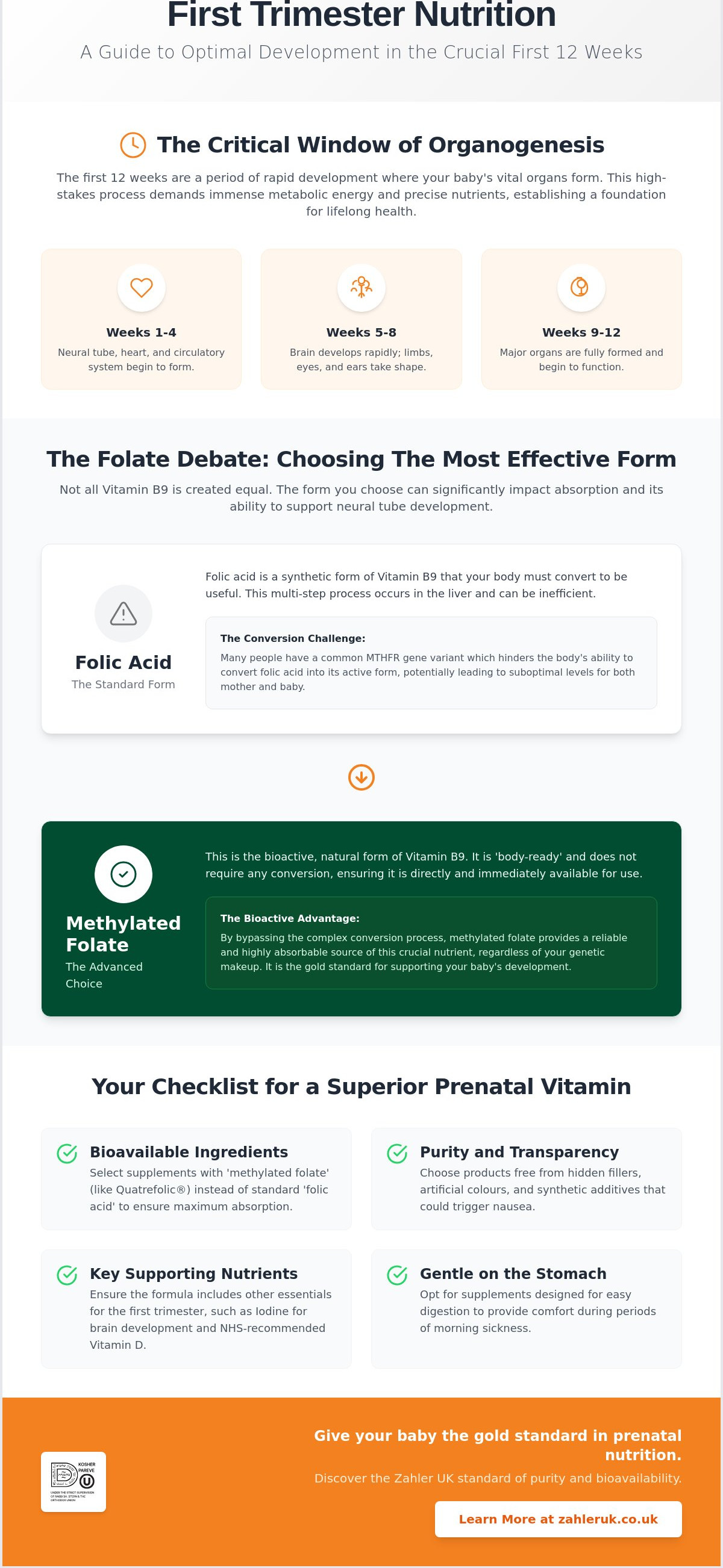
The Critical Window of Organogenesis
Organogenesis is the rapid period where your baby's vital organs, including the heart, brain, and limbs, begin to take shape from a microscopic cluster of cells. It’s a high-stakes process that demands an immense amount of metabolic energy. Your body prioritises the baby's needs, often at the expense of your own nutrient stores. This is why many women experience profound fatigue during these early weeks. Establishing these stores before the second trimester begins is essential. It ensures that the developmental blueprint is executed without interruption, even as your own body undergoes significant physiological stress.
Bridging the Gap Between NHS Basics and Optimal Health
The NHS provides a sturdy foundation through its Healthy Start recommendations, focusing on essential benchmarks like folic acid and Vitamin D. Whilst these are vital, there's a significant difference between avoiding a deficiency and achieving optimal vitality. Many women in the UK find that modern lifestyle factors, such as soil depletion in local produce or the prevalence of processed foods, make it difficult to reach peak nutritional levels through diet alone. Prenatal vitamins act as a reliable safety net during this time.
Selecting premium prenatal vitamins first trimester UK helps bridge the gap between standard care and comprehensive wellness. This approach considers several factors:
- Moving from simple deficiency prevention to health optimisation.
- Accounting for the impact of morning sickness on nutrient retention.
- Ensuring high bioavailability for mothers with specific genetic requirements.
They ensure that even on days when morning sickness makes a balanced meal feel impossible, your baby still receives the precise compounds needed for cognitive and physical growth. Opting for a high-quality formulation offers more than just physical benefits. It provides the emotional reassurance that you’re doing everything possible to protect your baby’s future. In a world of conflicting advice, having a trusted, scientifically-backed supplement allows you to focus on the joy of your pregnancy rather than the fear of missing a critical nutrient.
Essential Nutrients for Early Pregnancy: Beyond the Basics
Whilst standard advice often centres on the basics, the reality of early pregnancy nutrition is more nuanced. You're likely aware of the NHS guidance on pregnancy supplements, which serves as a vital baseline for every expectant mother. However, as we look beyond the minimum requirements, we find that the form of the nutrient matters just as much as the dose. Choosing the right prenatal vitamins first trimester UK involves looking closely at these ingredient labels to ensure your body isn't working harder than it needs to.
The Folate Debate: Folic Acid vs. Bioactive Folate
Folic acid is the synthetic version of Vitamin B9. For your body to use it, the liver must first convert it into a bioactive form. This process isn't always efficient. Many people carry the MTHFR gene variant, which hinders this conversion, potentially leaving both mother and baby with suboptimal levels. Quatrefolic, or methylated folate, is the bioactive form that bypasses this liver conversion entirely. Folate is the naturally occurring B9 vital for DNA synthesis. By choosing a supplement with methylated folate, you're providing a direct source of this essential nutrient that's ready for immediate absorption.
Supporting the Nervous System and Brain
Iodine is a quiet hero in the first trimester. It's essential for thyroid function, which in turn regulates the development of the foetal brain and nervous system. In the UK, where iodine deficiency is more common than many realise, ensuring an adequate supply is paramount. Vitamin D also plays a multifaceted role, acting more like a hormone to support calcium absorption and immune health. Zinc and copper must exist in a delicate balance; whilst zinc supports rapid cellular growth, too much of it can interfere with copper absorption, which is necessary for heart development. For those seeking a more curated approach to these complexities, exploring advanced prenatal vitamins can provide the precision your body requires during this sensitive time.
Other nutrients often get overlooked in the rush to cover the basics. Vitamin B12 works in tandem with folate to support neural tube development and prevent certain types of anaemia. At the same time, your blood volume is beginning a massive expansion, increasing by nearly 50% by the end of your pregnancy. This makes iron support critical, though it must be in a form that's gentle on the stomach. Finally, choline is essential for the structural integrity of brain cells. It’s often missing from standard high-street options, yet it’s as fundamental to cognitive health as folate is to physical structure.
Comparing Prenatal Supplement Options in the UK
Selecting a supplement in a local UK pharmacy often feels like a choice between convenience and quality. Whilst high-street brands are easily accessible, they frequently rely on high-volume manufacturing processes that may include synthetic binders and fillers. Choosing the right prenatal vitamins first trimester UK requires a discerning eye for the fine print on the ingredient label. Premium, specialist formulations often distinguish themselves by what they exclude as much as what they contain, prioritising purity for a system that is currently at its most sensitive.
Format matters significantly for absorption and comfort. Many standard options come in large, compressed tablets that use heavy glues or binders to maintain their shape. These can be difficult for the body to break down, particularly when digestion slows during early pregnancy. Capsules or high-quality liquids are often favoured because they dissolve more readily, ensuring the nutrients are available for the body to use exactly when they are needed. UK labelling requirements are strict, but they don't always highlight the presence of "technological additives" that aren't technically active ingredients but can still affect your wellbeing.
NHS Recommendations vs. Comprehensive Multivitamins
The NHS baseline focuses on preventing specific developmental issues, providing a vital safety net for all expectant mothers. However, many women find that they want to move beyond basic prevention towards a state of nutritional abundance. You can find a detailed breakdown of essential vitamins and minerals through official channels, which helps establish what your body requires at a minimum. When discussing your choices with a midwife or GP, it’s helpful to frame your preference for comprehensive prenatal vitamins first trimester UK as a way to support your overall vitality whilst managing the unique physical demands of these first twelve weeks.
Purity and Ethical Standards: Kosher and Clean Label
Purity is not just a marketing term; it is a manufacturing standard. For many, a Kosher certification acts as a reliable proxy for rigorous quality control and transparency. This certification ensures that every stage of production is scrutinised for cleanliness and ingredient integrity. Identifying "clean label" supplements means avoiding controversial additives like Titanium Dioxide or artificial colours, which serve no nutritional purpose. These synthetic inclusions can sometimes exacerbate the delicate state of a first-trimester digestive system. By opting for a cleaner profile, you are choosing a more harmonious path for both your body and your baby’s early development.
Managing Morning Sickness Whilst Taking Prenatal Vitamins
Morning sickness is often the first tangible sign that your body is working overtime, yet it can make the simple act of taking a supplement feel like a significant challenge. Many women find that their prenatal vitamins first trimester UK actually contribute to their discomfort if they aren't careful with their routine. This is usually due to the presence of synthetic fillers or harsh forms of iron that can irritate the stomach lining. If your nausea is accompanied by an inability to keep any fluids or food down, it is essential to contact your midwife or GP to rule out hyperemesis gravidarum, which requires professional medical attention.
One of the primary culprits for vitamin-induced nausea is the type of iron used in the formulation. Whilst iron is necessary for your increasing blood volume, traditional iron salts are notorious for causing digestive upset. Switching to a gentle form, such as iron bisglycinate, can significantly reduce the likelihood of nausea whilst still providing the support you need. If you’re struggling to maintain your routine, choosing gentle prenatal vitamins formulated with bioavailable ingredients can make a world of difference to your daily comfort.
A Step-by-Step Guide to Vitamin Success
Establishing a thoughtful routine can help your body accept and absorb your prenatal vitamins first trimester UK more effectively. Following these steps can help minimise gastric irritation:
- Never take supplements on an empty stomach: Gastric juices are less likely to be irritated when cushioned by a meal. Taking your vitamins mid-meal is often the most comfortable approach.
- Split the dose: If your multivitamin allows for multiple capsules, take them at different times of the day, such as one at lunch and one at dinner, to avoid overwhelming your system.
- Pair with protein: A small, protein-rich snack, like a handful of almonds or a piece of cheese, can help stabilise your blood sugar and provide a better environment for absorption.
- Manage your hydration: Stay hydrated throughout the day, but avoid drinking large amounts of liquid whilst actually swallowing your capsule, as a very full stomach can trigger the gag reflex.
The Role of Vitamin B6 in Nausea Relief
Vitamin B6, or pyridoxine, has long been recognised for its ability to temper pregnancy-related nausea. Clinical evidence suggests that B6 can be a highly effective first-line defence for managing early pregnancy sickness. High-quality prenatal formulations often include specific, meaningful levels of B6 to assist with this common symptom. You can also integrate B6-rich foods like chickpeas, bananas, or poultry into your daily routine to complement your supplement. This dual approach ensures you are supporting your nervous system whilst actively managing the symptoms that make the first trimester so demanding.
The Zahler UK Standard: Purity for the First Trimester
Zahler UK Official Store understands that the first twelve weeks of pregnancy are a time of immense hope and, occasionally, quiet anxiety. You want to ensure that every choice you make is the right one for your baby's future. Our approach to prenatal vitamins first trimester UK is defined by a commitment to advanced formulation and the use of bioavailable ingredients that work in harmony with your body. We believe that a supplement should never be a source of stress, which is why our products are favoured for their exceptionally clean profile, free from the synthetic clutter often found in mass-market alternatives.
Our philosophy is rooted in the idea that nutrition should be specialised, not generic. Whilst high-street brands often take a one-size-fits-all approach, we prioritise the meticulous curation of ingredients. This ensures that you aren't just meeting a baseline of health but are actively optimising your vitality. As your pregnancy progresses, your needs will naturally evolve. Zahler UK Official Store is here to support you through every stage, from these foundational early weeks through to the final preparations outlined in our guide on prenatal vitamins third trimester UK.
Meticulous Manufacturing and Quality Control
The science behind our delivery systems is what sets the Zahler UK Official Store standard apart. We utilise liquid-filled capsules specifically because they offer superior absorption compared to compressed tablets. This format allows the nutrients to be released gently and efficiently, which is particularly beneficial when your digestive system is at its most sensitive. We also make the deliberate choice to use folate rather than synthetic folic acid, ensuring that every mother, regardless of her genetic makeup, can process this vital B9 vitamin effectively.
Integrity is woven into our manufacturing process. We ensure that no artificial dyes, unnecessary binders, or controversial fillers reach your baby. For many British families, our Kosher certification provides an extra layer of reassurance. It serves as an independent verification of our rigorous quality control and our dedication to transparency. You can trust that what is on the label is exactly what is inside the capsule, with no hidden surprises.
A Trusted Advisor for UK Mothers
Zahler UK Official Store acts as more than just a provider of supplements; we are a friendly, empathetic guide for your motherhood journey. Our heritage is built on a foundation of clinical reliability blended with gentle, holistic care. We provide access to professional-grade prenatal vitamins first trimester UK directly to your door, ensuring that premium nutritional support is always within reach. Every capsule we produce carries our promise of integrity, designed to make you feel safe, well-cared for, and confident in the choices you are making for your growing family.
Nurturing the Foundation of Your Baby’s Future
The first twelve weeks are a unique period of rapid change, and your choice of prenatal vitamins first trimester UK plays a central role in supporting this delicate process. By moving beyond basic requirements and prioritising bioavailable folate, gentle iron, and clean-label purity, you're providing a stable environment for your baby’s early development. We've explored how the right formulation helps you manage morning sickness whilst ensuring your system is never overwhelmed by synthetic fillers or unnecessary binders.
At Zahler UK, we are dedicated to providing the clinical reliability and gentle care you need during this high-stakes time. Our formulations are Kosher Certified for purity, utilise bioavailable folate (Quatrefolic), and remain entirely free from artificial fillers and dyes. Explore our range of premium, clean-label prenatal vitamins at Zahler UK and take the next step in your wellness journey with confidence. You're doing a wonderful job navigating these early days; let us provide the steady support your body deserves.
Frequently Asked Questions
When should I start taking prenatal vitamins in the first trimester?
You should ideally start taking supplements at least one month before you conceive to ensure your nutrient stores are sufficient for early development. If you've just discovered you're pregnant, start taking your prenatal vitamins first trimester UK immediately. This ensures you support the critical window of organogenesis, which is the rapid period of organ formation occurring in these first 12 weeks.
Is it okay to take a prenatal vitamin with morning sickness?
It is perfectly okay, and actually essential, to continue your vitamins whilst experiencing morning sickness. To make the process easier, try taking your capsule mid-meal when your stomach is cushioned by food and less sensitive. If you're struggling to keep anything down, you might find that liquid-filled capsules or splitting your dose into smaller amounts throughout the day helps reduce the gag reflex.
Can I just take Folic Acid instead of a full prenatal multivitamin?
Whilst the NHS recommends Folic Acid as the absolute minimum, a comprehensive prenatal multivitamin provides a much broader spectrum of support for your changing body. Nutrients like Vitamin D, Iodine, and Choline are often missing from a single-ingredient supplement but are vital for your baby's cognitive and physical growth. A full multivitamin ensures you aren't just preventing deficiencies but are actively optimising your vitality.
What is the difference between Folate and Folic Acid in UK supplements?
Folic acid is the synthetic form of Vitamin B9, which the liver must convert before the body can use it effectively. Folate, specifically in its bioactive form like Quatrefolic, is ready for immediate absorption without needing this complex conversion process. This is particularly important for those with the MTHFR gene variant, as it ensures your body actually receives the B9 it needs for DNA synthesis.
Are there any vitamins I should avoid during the first trimester?
You should strictly avoid supplements containing high levels of Vitamin A in the form of retinol, as excessive amounts can be harmful to your baby’s development. This is why it's important to choose a specialised prenatal formula rather than a general multivitamin. You should also avoid liver or liver products for the same reason, as they naturally contain very high concentrations of this specific vitamin.
Why does my prenatal vitamin make me feel nauseous?
Nausea is often triggered by the type of iron used in the supplement or the presence of synthetic binders and dyes. Traditional iron salts can be quite harsh on the digestive tract, especially during the first trimester when hormone levels are fluctuating. Choosing a "clean label" supplement with gentle iron bisglycinate and taking it with food can often resolve this physical discomfort.
Does the NHS provide free prenatal vitamins in the UK?
The NHS provides free vitamins through the Healthy Start scheme for eligible individuals, including those under 18 or those receiving certain benefits. As of June 2026, this scheme provides a prepaid card to help buy milk and healthy food alongside the free supplements. If you aren't eligible, you can still purchase high-quality prenatal vitamins first trimester UK from specialist providers to ensure you're getting a premium, bioavailable nutrient profile.
How do I know if my prenatal vitamin is high quality?
High-quality supplements are defined by their bioavailability and the absence of unnecessary additives or "hidden" fillers. Look for formulations that use methylated folate instead of synthetic folic acid and avoid ingredients like Titanium Dioxide or artificial colours. Certifications such as Kosher or third-party purity testing serve as reliable indicators that the manufacturer maintains rigorous standards throughout the production process.